
2021
Sustainable materials
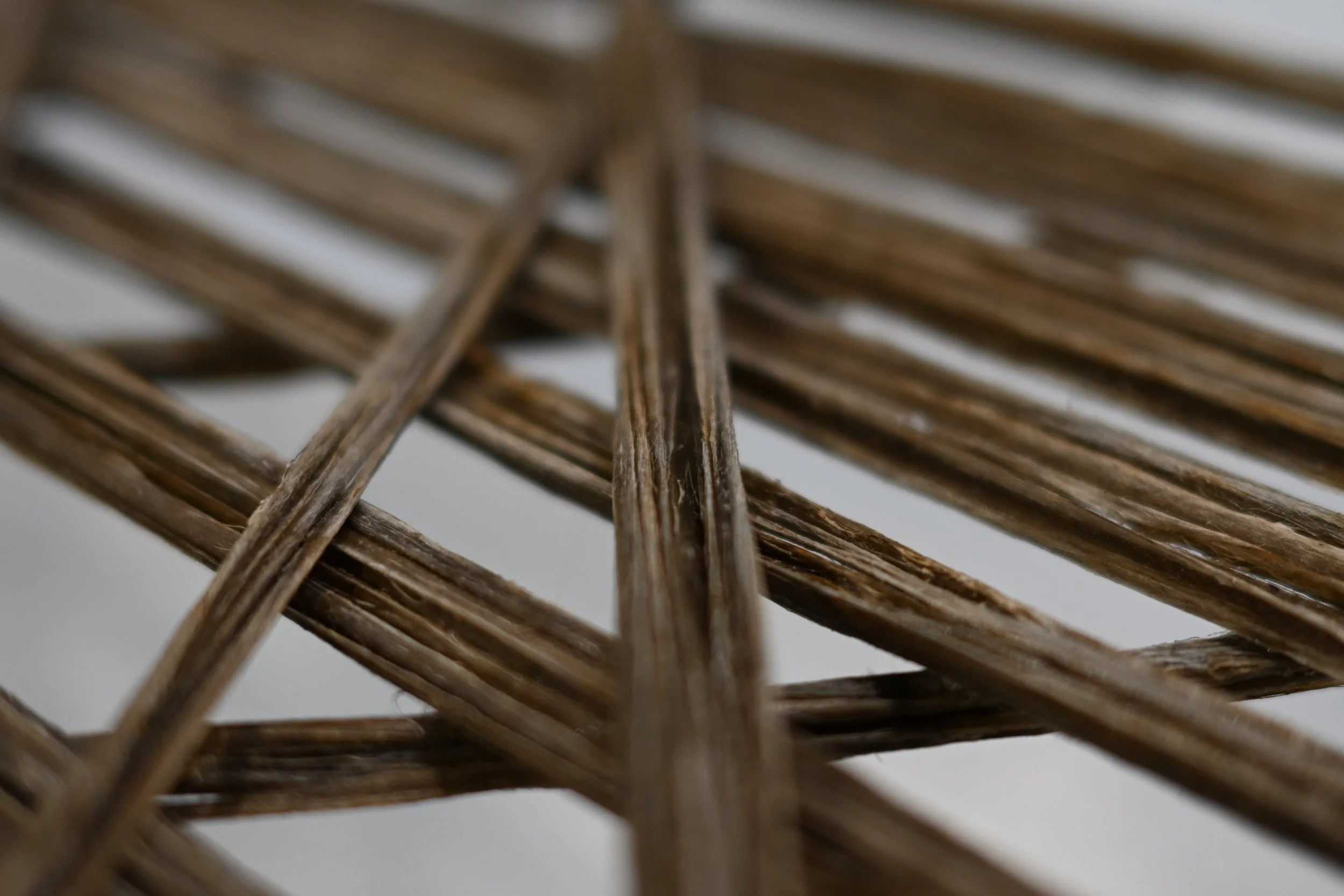
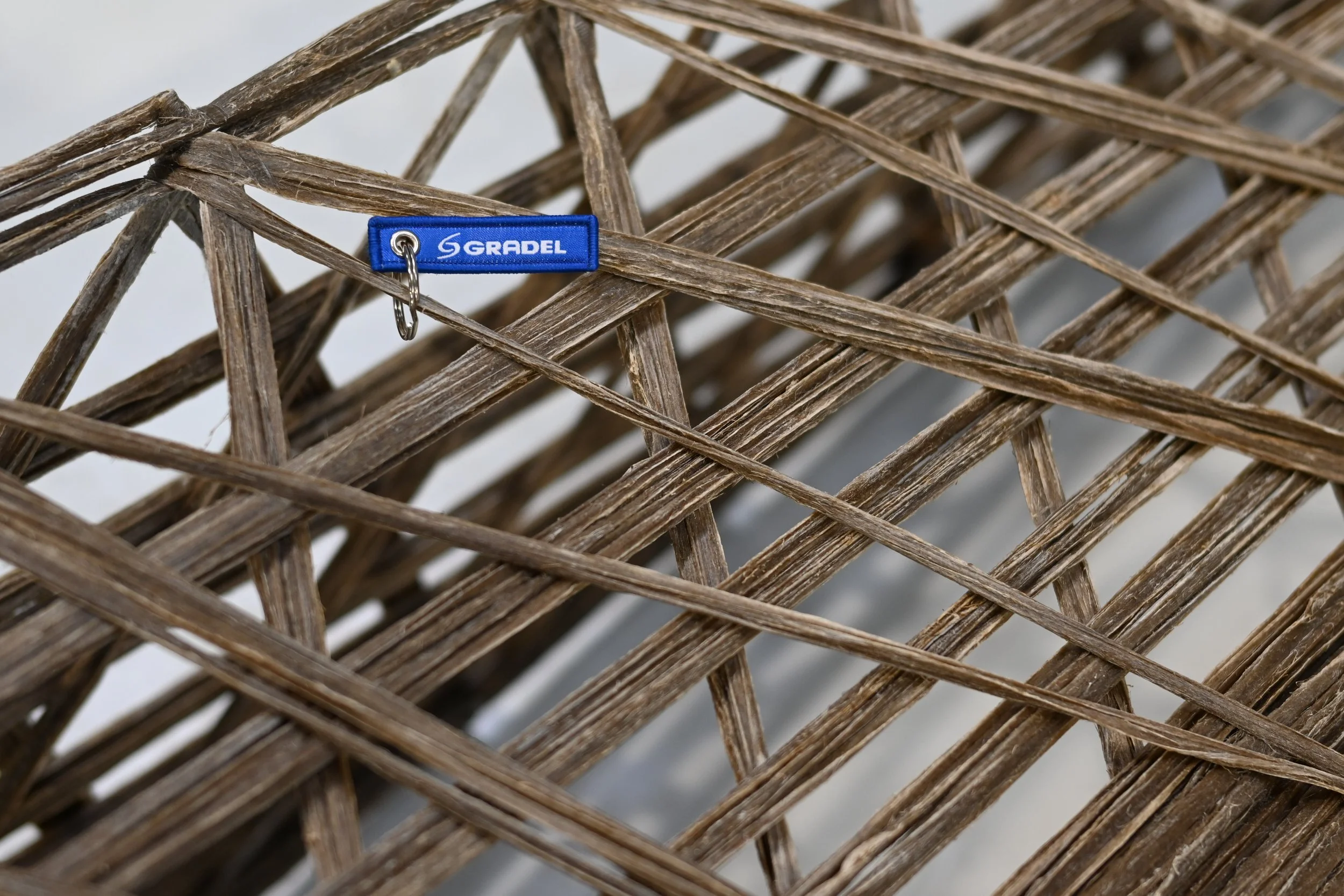
Materials such as flax, represent a huge door of possibilities to switch the carbon footprint we have in the manufacturing of piece since its consider a carbon negative material that is also naturally source locally in the northern parts of France as well as Belgium and the Netherlands.
Flax Fiber Winding Pavilion
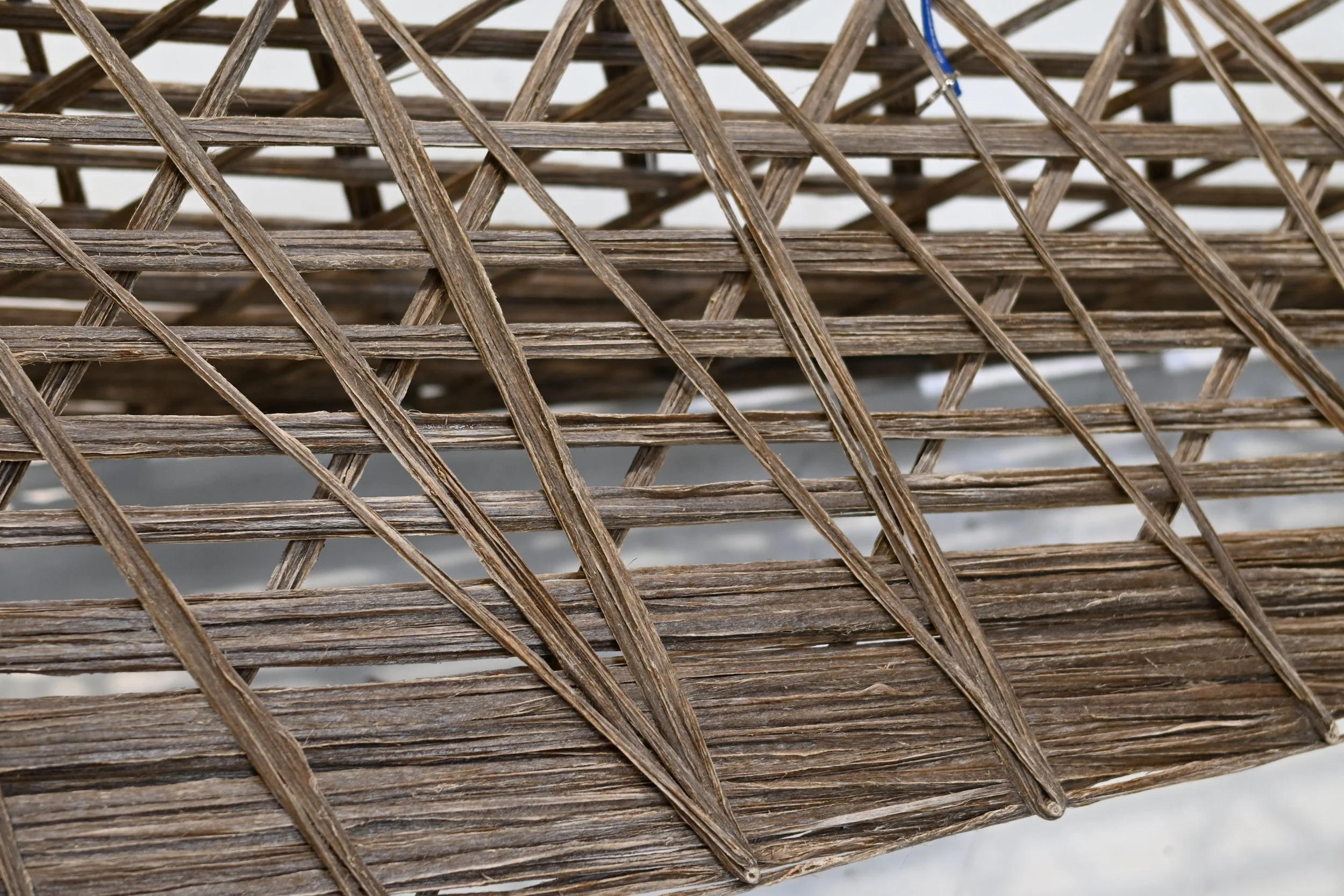
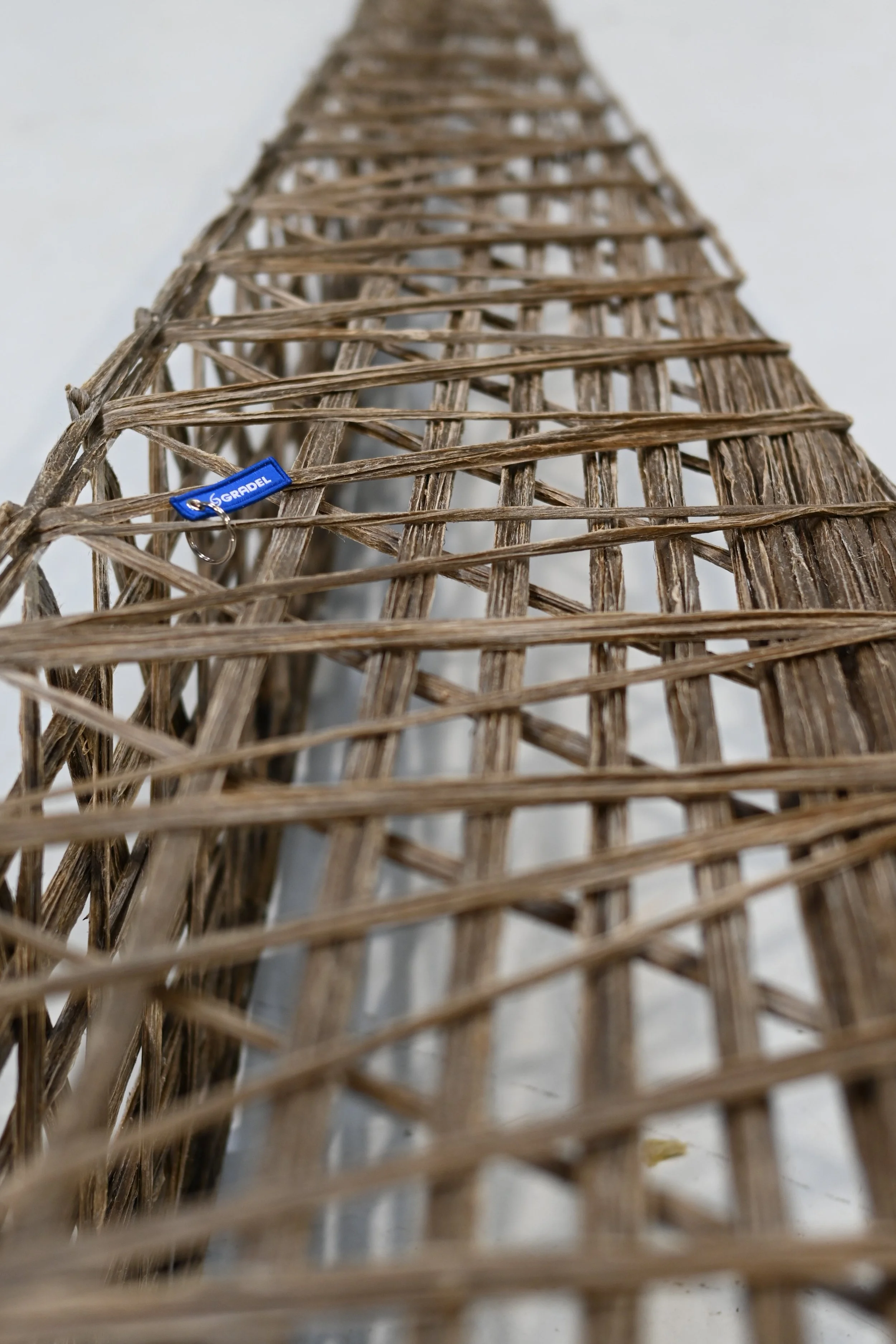
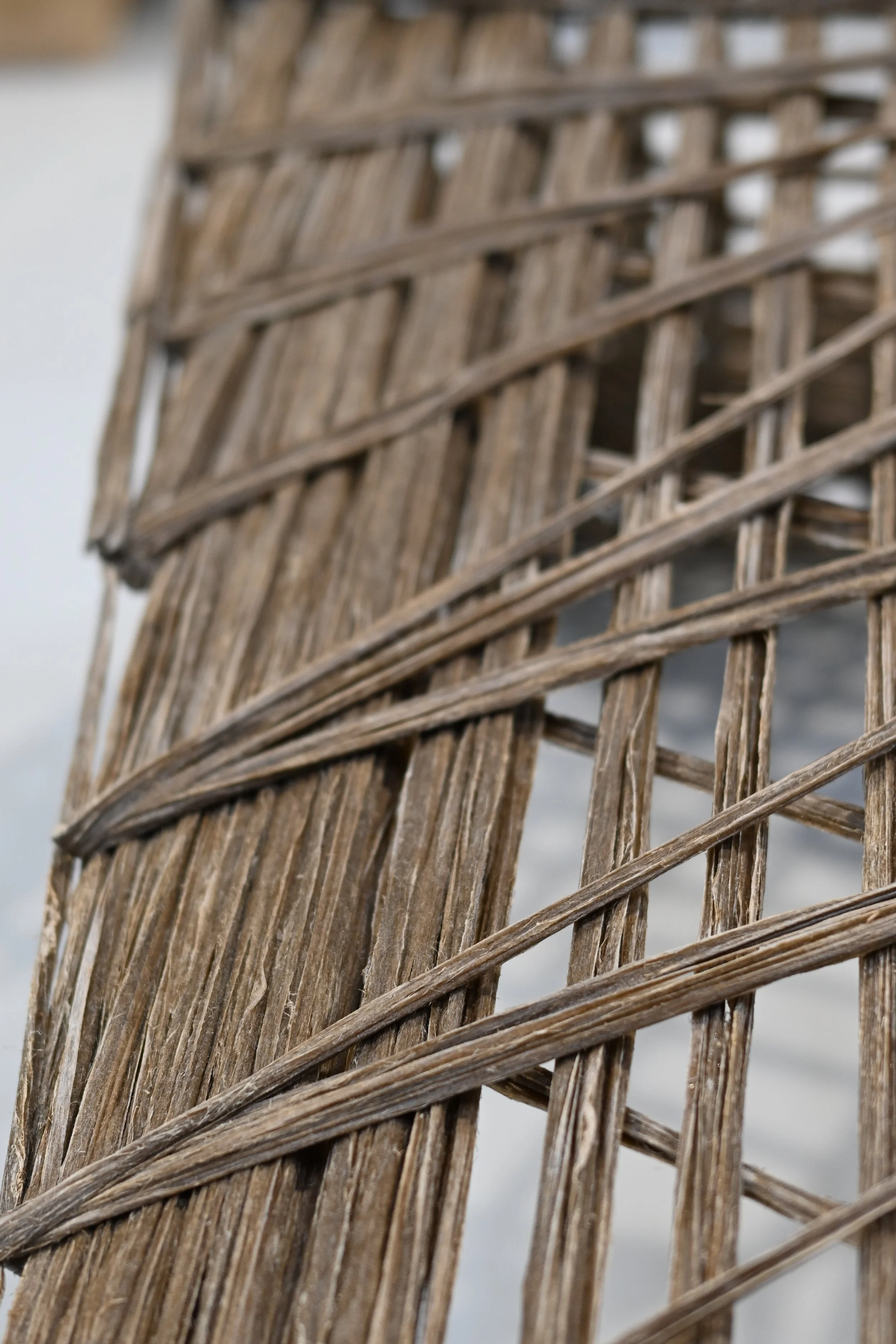
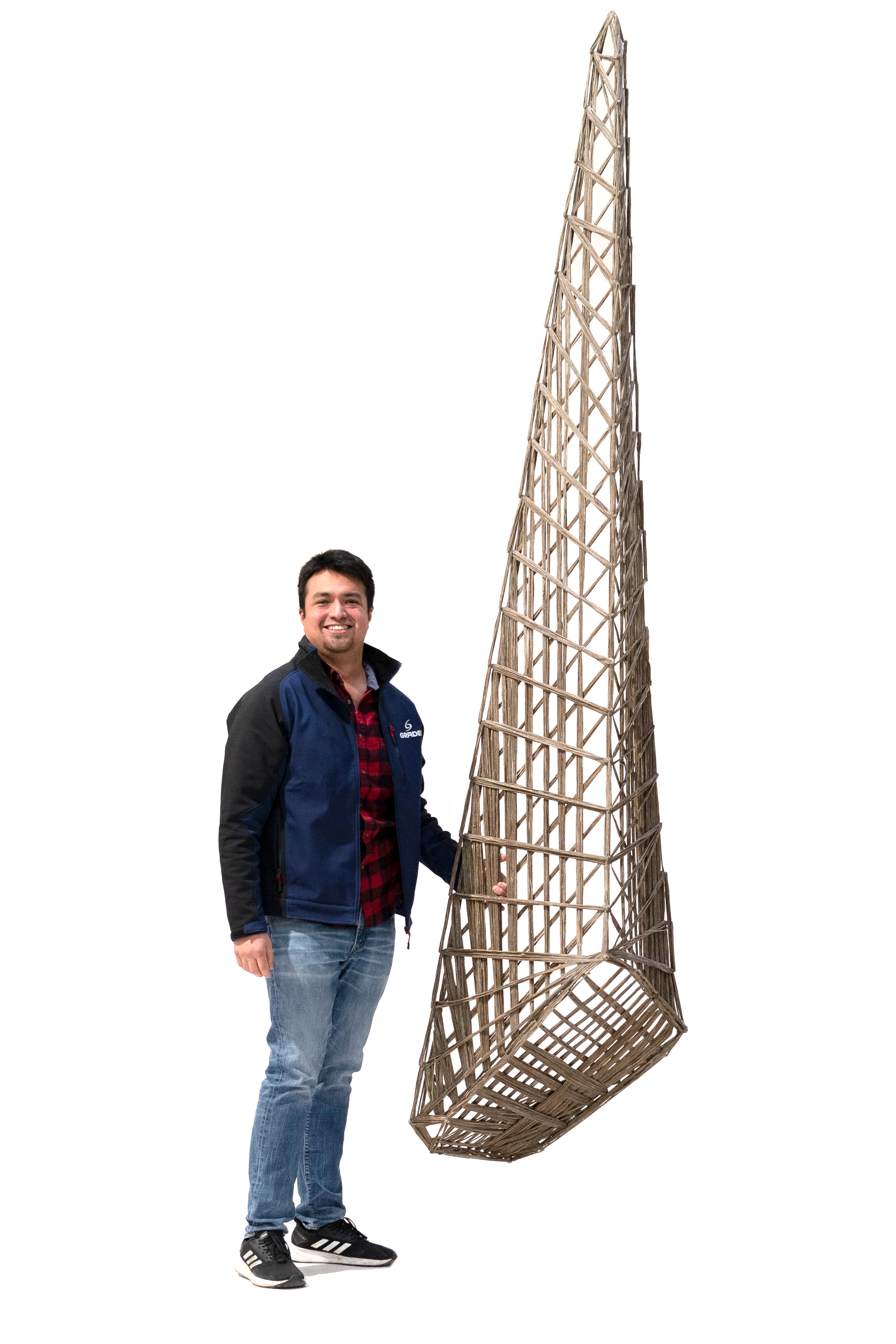
This project explores the potential of robotic fiber winding as an innovative construction method for lightweight architectural structures. The pavilion was designed and fabricated using continuous flax fibers combined with a bio-based resin, creating a renewable composite material that is both structurally efficient and environmentally responsible.
Developed for the architectural context of Luxembourg, the pavilion serves as a demonstrator for how robotic fabrication can enable new forms of material efficiency and design freedom. Using computational design and robotic winding techniques, fibers were precisely placed along structural load paths, minimizing material use while maximizing strength and stability.
The resulting lightweight structure highlights the advantages of natural fiber composites in architecture: reduced weight, lower embodied carbon, and the potential for locally sourced materials. By integrating digital design, robotics, and bio-based materials, the project proposes an alternative to conventional construction methods, illustrating how advanced fabrication technologies can lead to more sustainable, resource-efficient architectural solutions.
Ultimately, the pavilion showcases how robotic fiber winding can expand architectural possibilities, allowing designers to create expressive, high-performance structures while reducing environmental impact and material waste.